

Stainless steel, titanium, ceramic, carbon, sapphire, and gold-color finishes can look similar in a product photo while representing very different materials and construction.
Our rule is straightforward: the material specification should describe the watch being sold—not simply repeat the material used by the genuine reference. This guide explains the materials you may see across ReplicaFactory watches and what those descriptions actually mean.
A watch may be based on a genuine reference made from a particular steel, titanium alloy, ceramic, carbon material, or precious metal. That does not automatically establish the material of the version being sold.
Material descriptions should apply to the actual version and quality tier being offered.
Genuine-reference materials can provide useful context, but they should not be presented as confirmed product materials without a basis for doing so.
A gold-color surface, carbon appearance, or polished finish should not be used to imply a material that the watch does not actually contain.
Reference-appropriate does not mean genuine. It means the material or construction is selected to correspond more closely to the intended design of that particular watch. It does not mean the component was produced by the original brand.
Stainless steel is the most common case and bracelet material across our catalog, but the grade changes according to the quality tier and product version.
Important: 904L is not a universal specification for every 1:1 Clone. It applies to appropriate stainless-steel versions. If the intended construction uses titanium, ceramic, carbon, or another material, that material takes priority over the tier's normal steel specification.
Steel grade is one part of construction. It should be considered together with machining, polishing, brushing, tolerances, bracelet construction, and overall finishing.
316L is the standard steel specification for applicable Asian-tier steel watches.
It provides a practical stainless-steel case and bracelet construction appropriate to the entry-level tier.
317L is used on applicable Swiss-tier steel watches as an upgrade from the Asian-tier material specification.
The Swiss tier is not defined by steel alone. Movement, finishing, crystal treatment, QC target, and warranty also differ from the Asian tier.
904L is used on applicable stainless-steel models in our 1:1 Clone tier.
A titanium, ceramic, or carbon reference should not be described as 904L simply because it belongs to the 1:1 Clone tier.
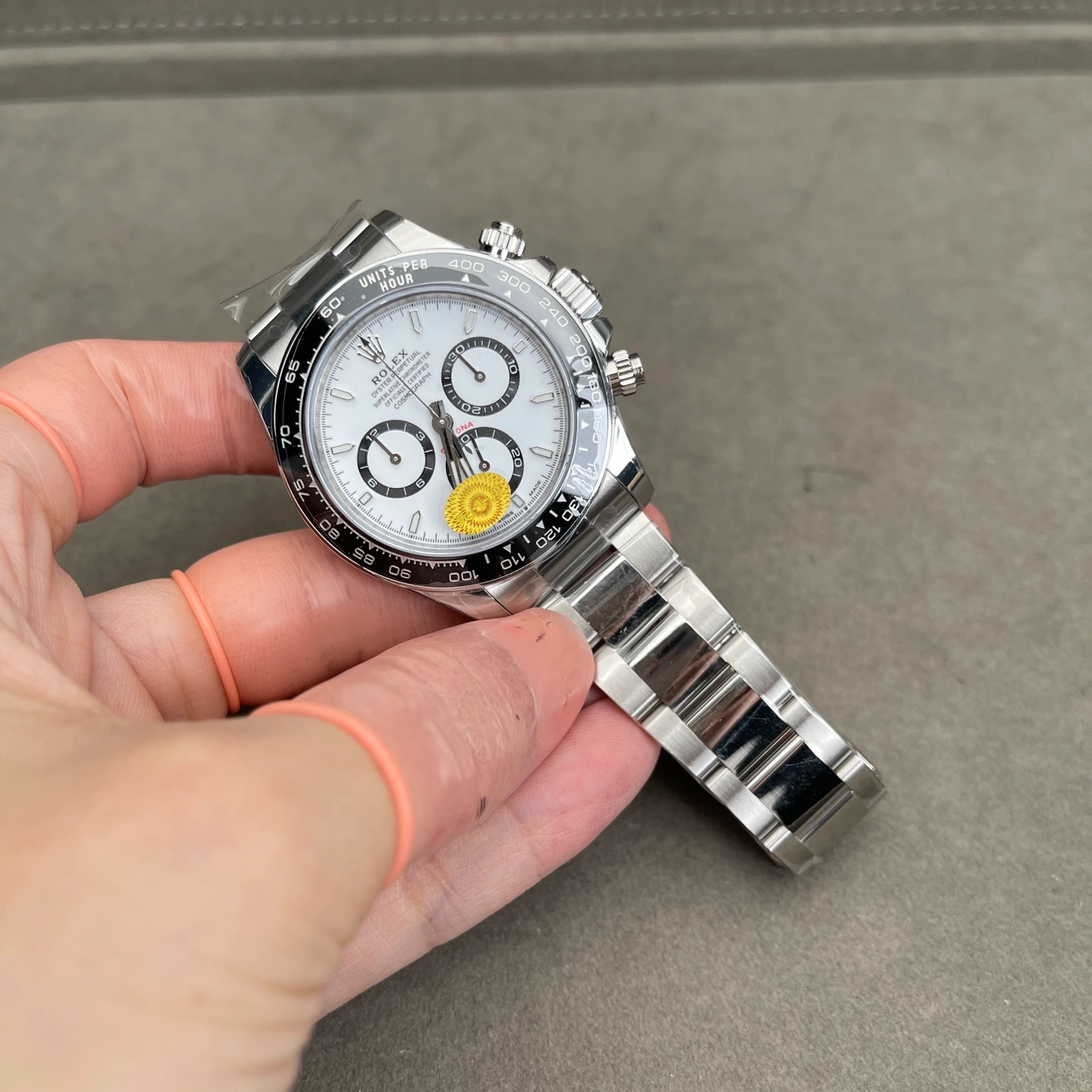
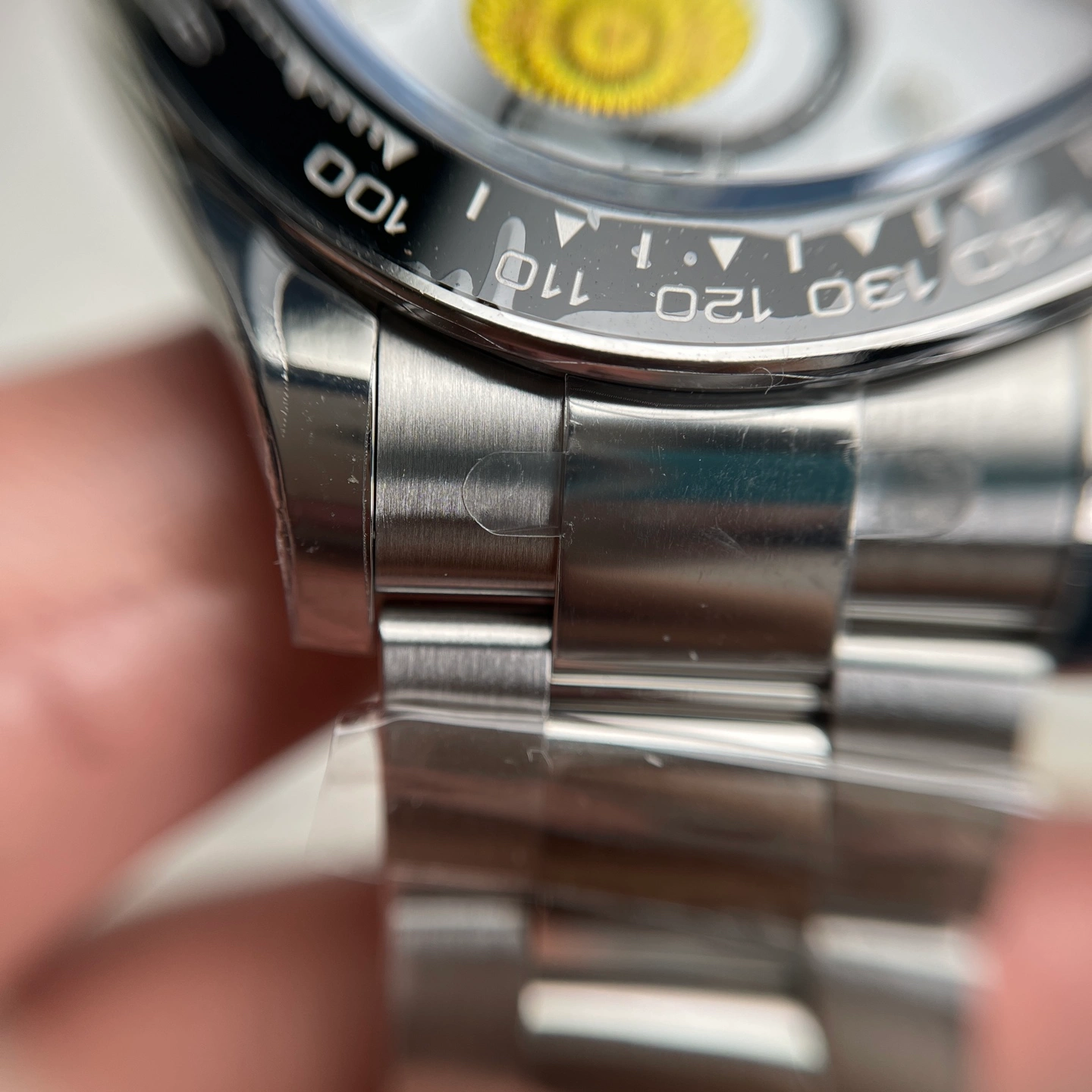
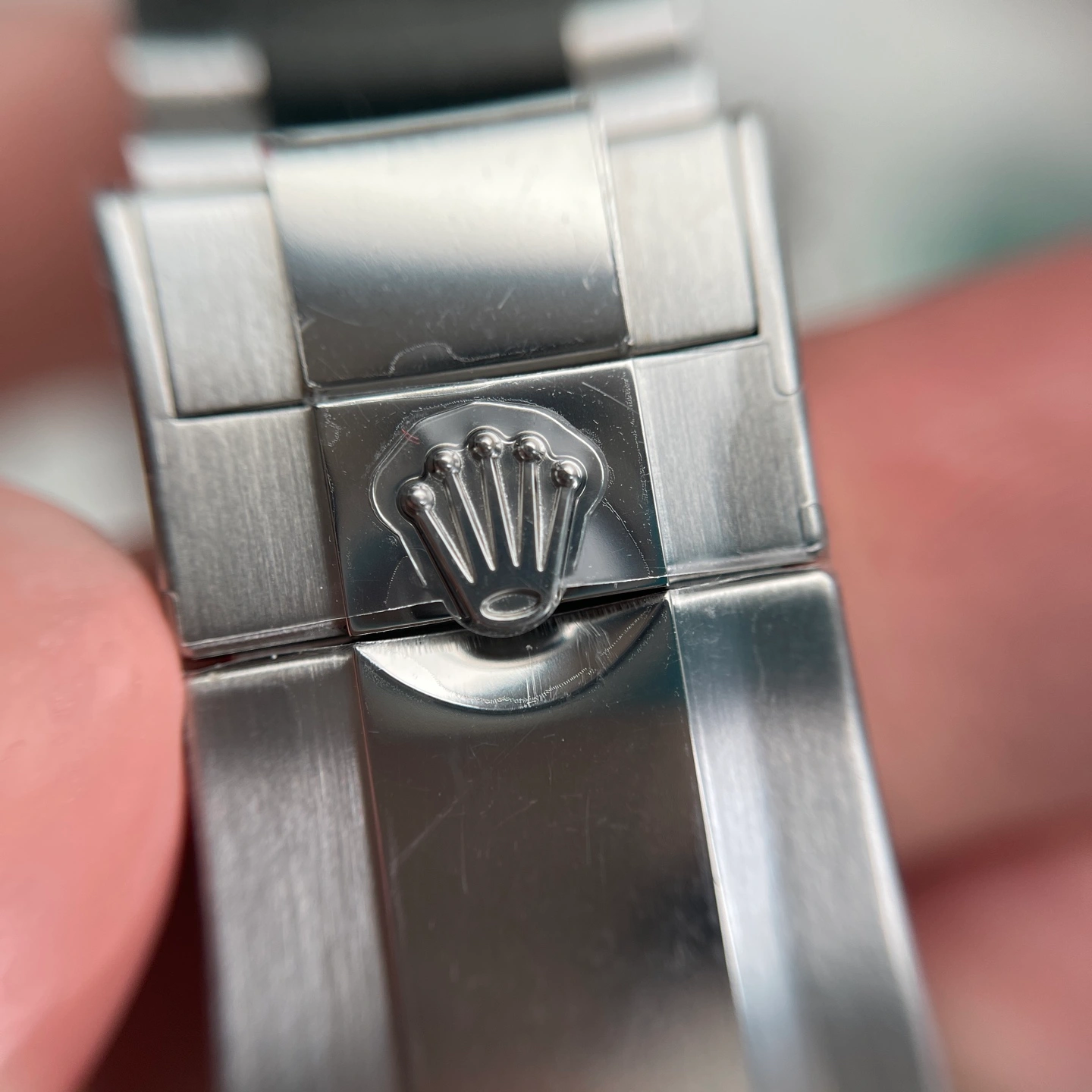
Steel grade alone does not determine overall watch quality. A case can use a higher steel grade and still differ in machining, shape, polishing, brushing, tolerances, and assembly. Material is one specification—not a complete quality rating.
Some watches are designed around titanium rather than stainless steel. On applicable 1:1 Clone versions, Grade 5 Titanium may be used when it is appropriate to the reference and product specification.
Grade 5 titanium is also known as Ti-6Al-4V, referring to a titanium alloy containing aluminum and vanadium.
Titanium has a lower density than stainless steel, so a titanium watch can feel noticeably lighter on the wrist than a similarly sized steel watch.
Titanium has a different color and surface character from polished stainless steel. Its appearance should not be judged as though it were intended to look exactly like steel.
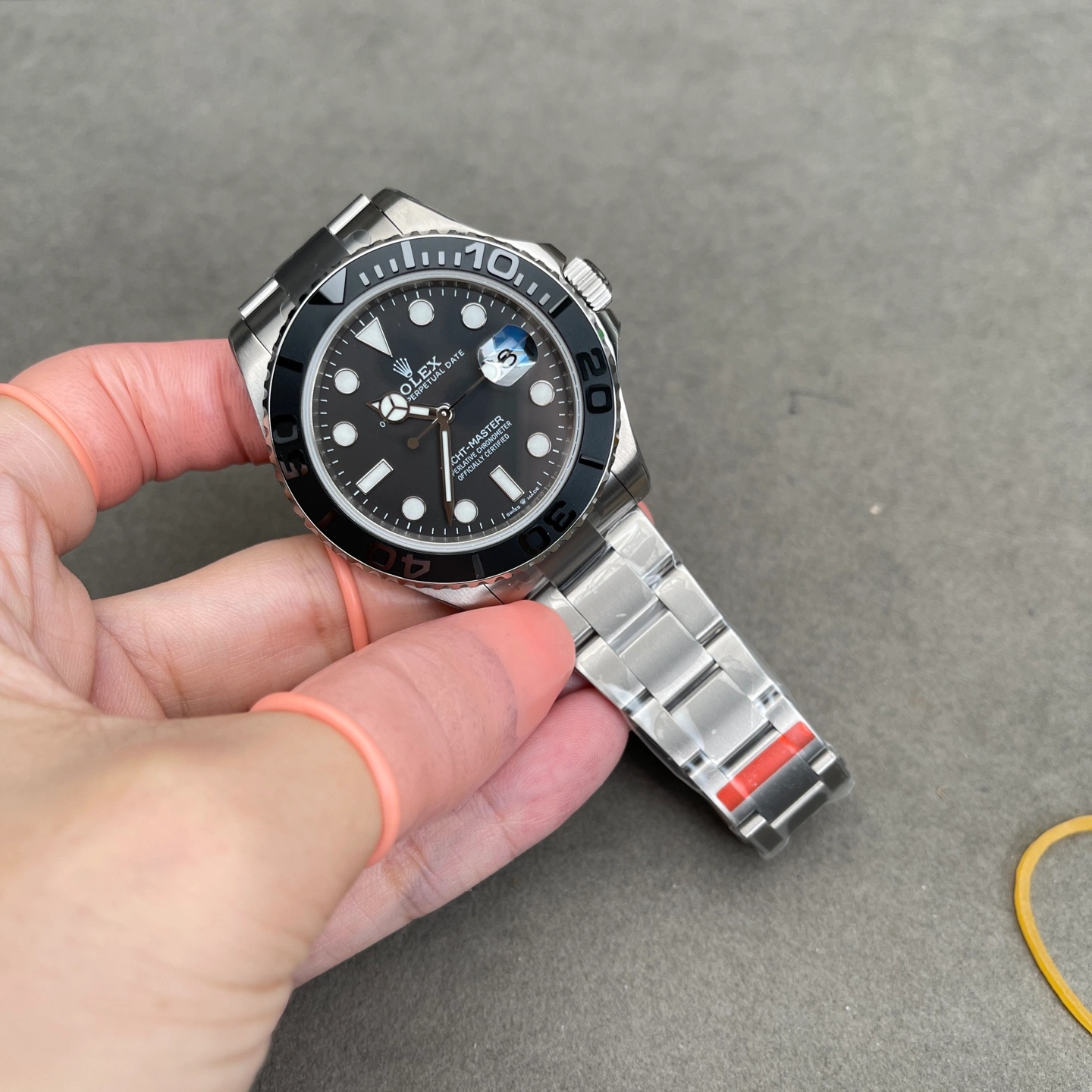
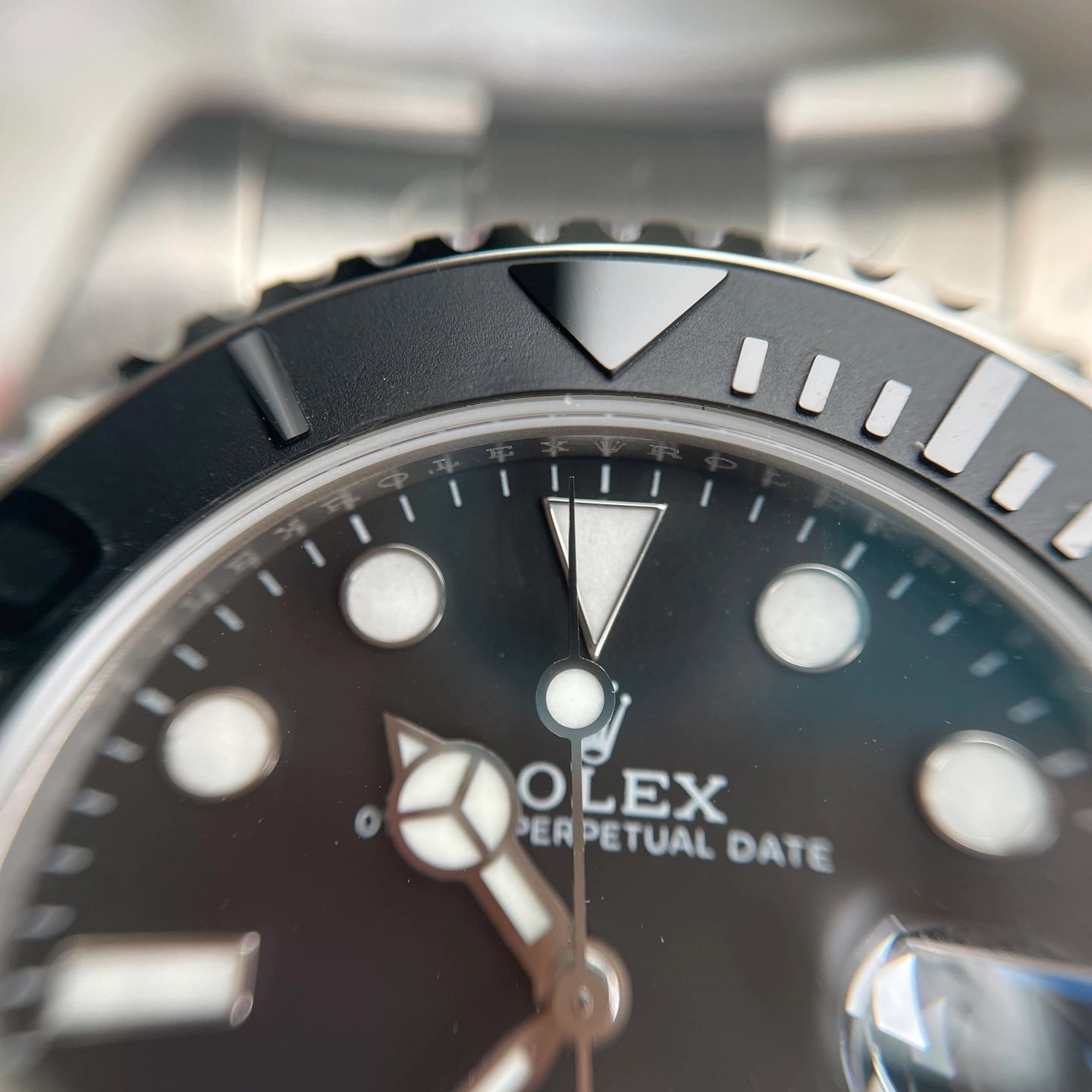
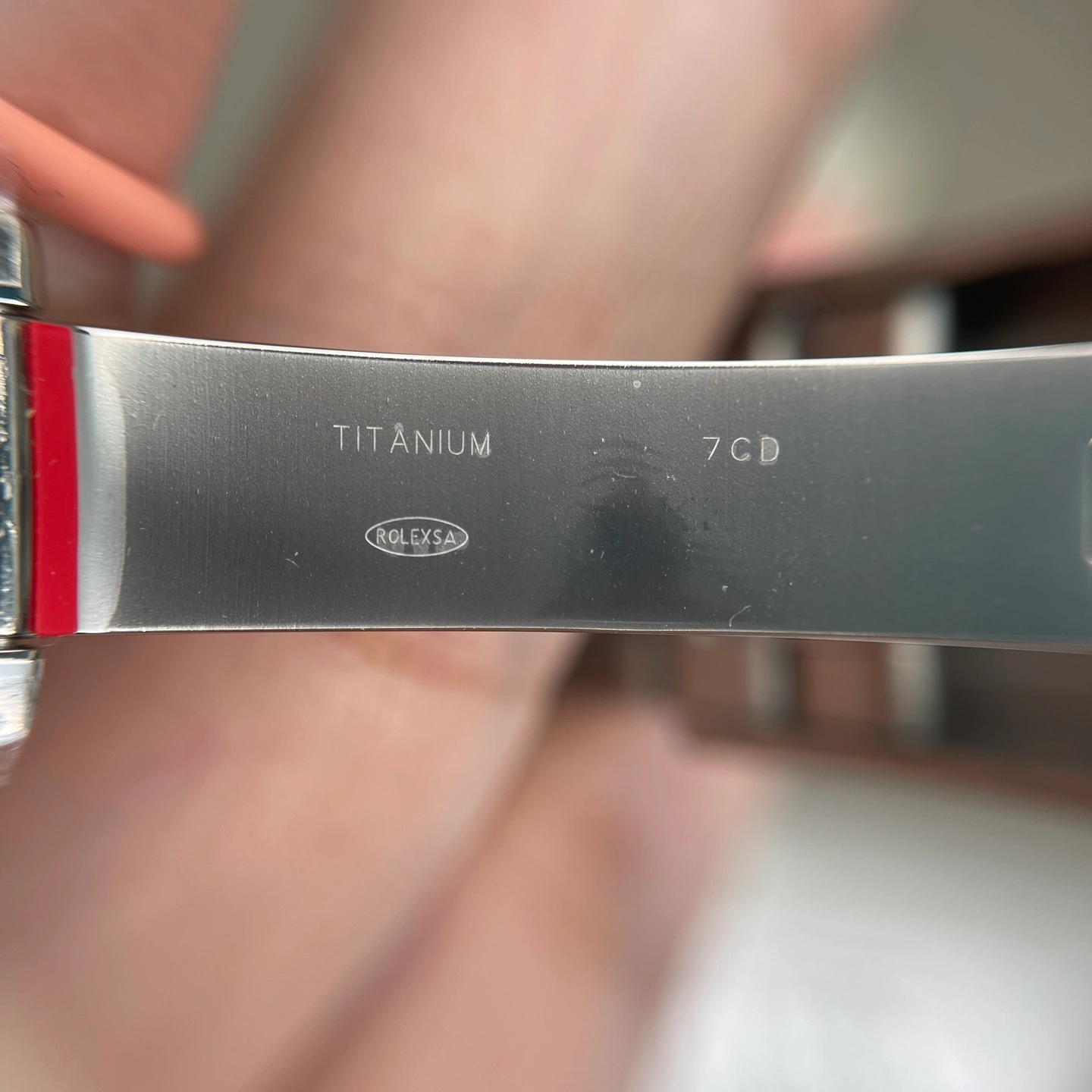
Titanium is model-specific. The presence of Grade 5 Titanium should be stated for the applicable watch rather than assumed across an entire quality tier.
The word “ceramic” does not always describe the entire watch. Depending on the model, ceramic may be used for a bezel insert, bezel assembly, case component, or a larger part of the case construction.
Many watches use ceramic only in the bezel or bezel insert while the main case remains stainless steel or another material.
On references designed around ceramic cases, the material may form a much larger part of the watch construction.
Ceramic can provide a different color, texture, and surface appearance from conventional metal components.
A listing should make clear whether ceramic refers to a particular component or to the main case construction.
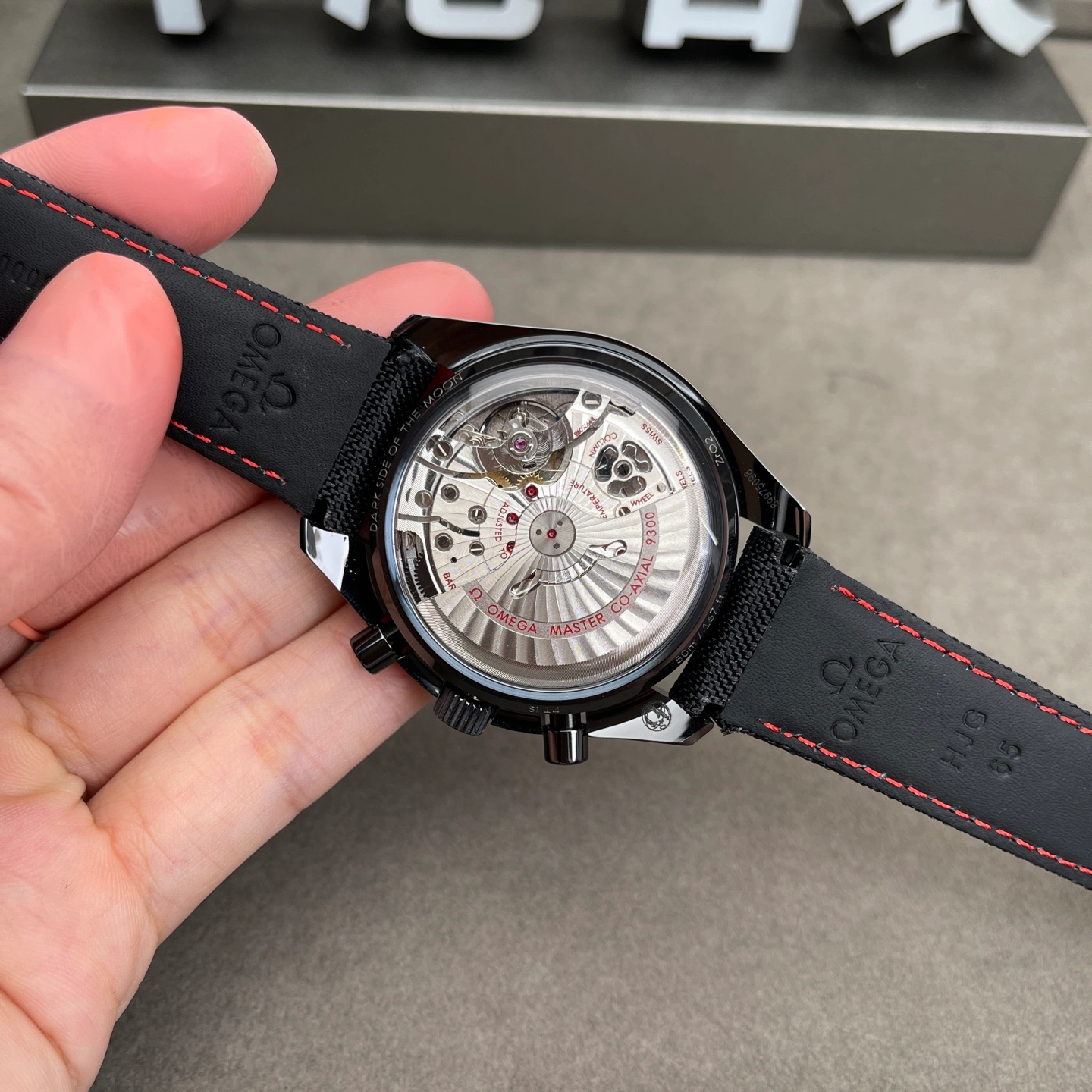
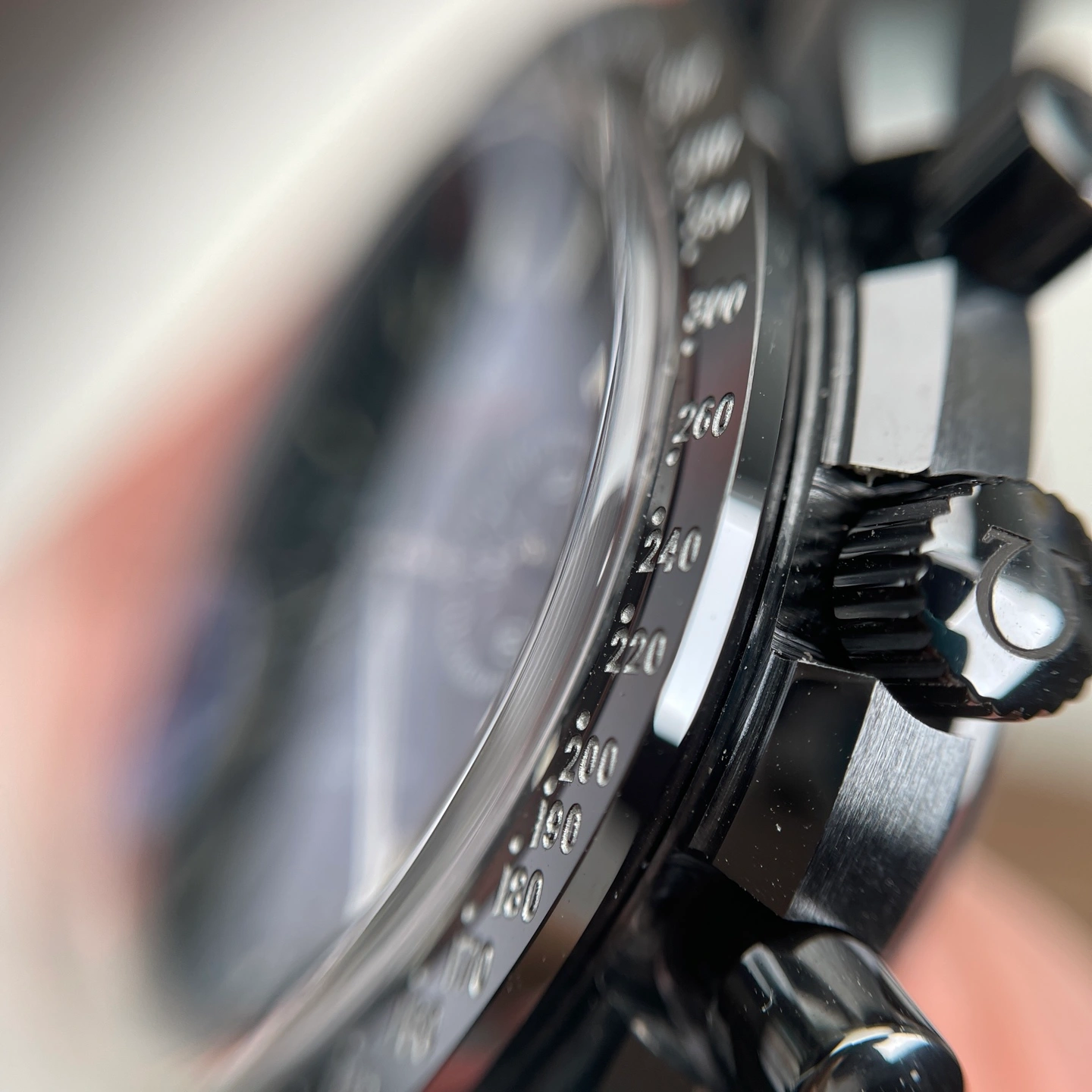
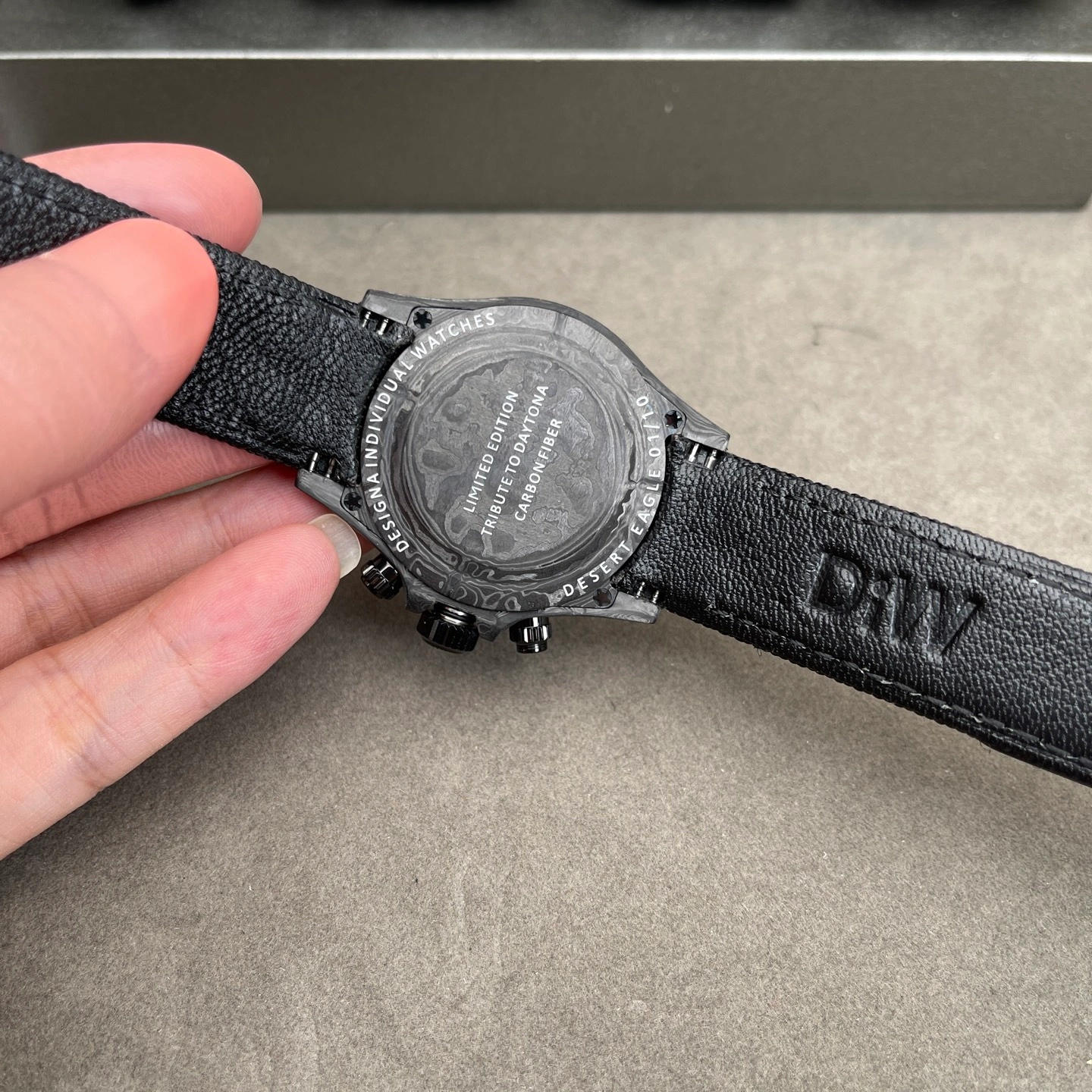
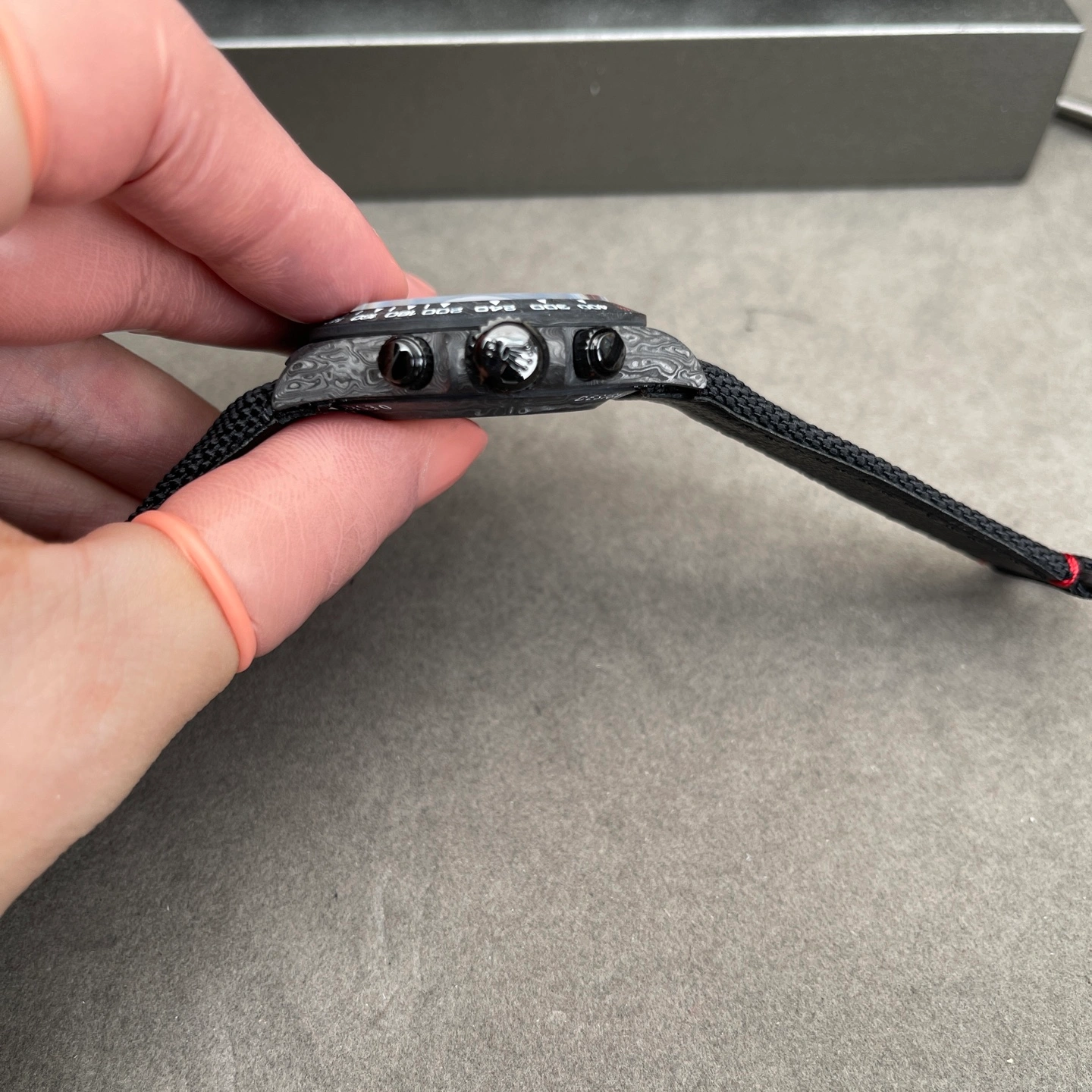
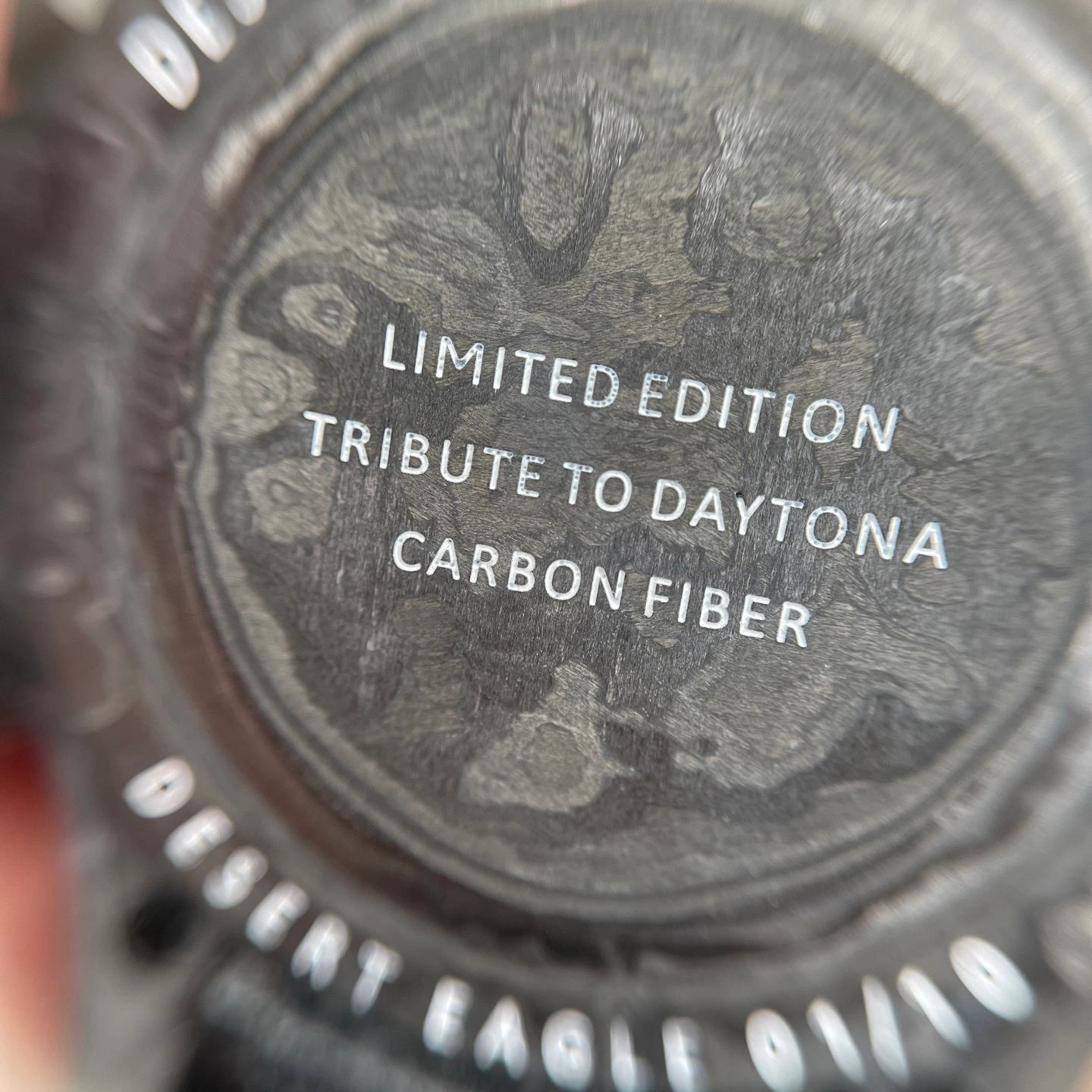
Carbon-style appearance and carbon construction are not necessarily the same thing. When carbon is part of the material specification, the description should apply to the actual component rather than only to its visual pattern.
Certain references use carbon-based materials as part of the case construction instead of conventional stainless steel.
Carbon-based components may show variation in their visible pattern, so two pieces do not always present exactly the same surface pattern.
Carbon construction is relevant only to models designed around that material. It is not a general specification of the 1:1 Clone tier.
A black or patterned component should not automatically be described as carbon based on appearance alone.
When a standard watch has a yellow-gold, rose-gold, or other gold-colored appearance, the color should not be interpreted as proof that the underlying case or bracelet is made from solid gold.
| Quality Tier | Base Steel | Standard Gold-Color Finish | Solid Gold? |
|---|---|---|---|
| Asian | 316L | Gold-Tone PVD | No |
| Swiss | 317L | Premium Gold-Color PVD / Plating | No |
| 1:1 Clone | 904L on applicable steel models | Reference-Matched Gold-Color Plating / PVD | No, unless specifically upgraded |
“Gold-tone” describes the visible color or finish. It does not mean the watch contains solid gold.
These descriptions refer to a gold-colored surface treatment over the underlying watch material rather than a solid-gold case or bracelet.
On applicable 1:1 Clone versions, the finish is selected to more closely correspond to the intended color and appearance of the reference.
A gold-color surface treatment does not change the underlying stainless-steel construction into solid gold.
Want genuine 18K gold material? Standard gold-color watches do not contain solid gold by default. Where available, customers looking for genuine 18K gold material can choose our 18K Gold Wrap Upgrade Service .
Gold wrap is an upgrade service and should not be confused with a watch constructed entirely from solid 18K gold.
The crystal material and its coating should not be treated as one specification. A sapphire crystal may be used with different anti-reflective treatments depending on the product tier and model.
Applicable Asian-tier watches use synthetic sapphire as the standard crystal specification.
Applicable Swiss-tier watches use synthetic sapphire with anti-reflective treatment where appropriate to the model.
Applicable 1:1 Clone versions use high-grade sapphire with reference-appropriate anti-reflective treatment where applicable.
AR does not mean the crystal becomes invisible. Anti-reflective treatment is intended to reduce reflections under certain lighting conditions. The amount and appearance of reflection can still change with angle, lighting, coating, and crystal geometry.
A complete watch uses multiple materials. The case specification alone does not describe every component.
Bracelet and clasp construction should be considered separately where the material differs from the main case or uses additional surface treatments.
A bezel may combine steel, ceramic, coatings, inserts, or other materials depending on the watch design.
Crystal material and anti-reflective treatment are separate from the metal or composite material used for the case.
Rubber, leather-style, textile-style, and other strap constructions should be described according to the specific version supplied.
Material tells you what a component is made from. Finishing describes how that material is machined and presented. They are related, but they are not the same specification.
Polishing changes the surface appearance and reflectivity of the material without changing the underlying material itself.
Brushing creates a different surface texture and can be combined with polished areas on the same component.
A coating or plating changes the visible surface while the underlying base material remains a separate specification.
This is why two watches made from the same nominal steel grade can still look and feel different. Machining, brushing, polishing, tolerances, edge definition, bracelet construction, and assembly all contribute to the finished watch.
A useful material description should tell you more than what the genuine reference uses.
Look for the actual case or component material: 316L, 317L, 904L, Grade 5 Titanium, ceramic, carbon, or another stated material.
Determine whether the specification refers to the entire case, bracelet, bezel, insert, crystal, or only one particular component.
Terms such as gold-color plating, PVD, polishing, and brushing describe surface treatment rather than a different solid base material.
Make sure the statement describes the watch being sold rather than simply repeating a specification associated with the genuine reference.
Applicable steel models in our Asian tier use 316L stainless steel.
Applicable steel models in our Swiss tier use 317L stainless steel.
No. 904L applies to appropriate stainless-steel models. Watches designed around titanium, ceramic, carbon, or other materials should use the material appropriate to that particular version.
Grade 5 Titanium, also known as Ti-6Al-4V, is a titanium alloy. It may be used on applicable 1:1 Clone models where titanium is appropriate to the reference and product specification.
No. Standard gold-color watches use PVD or plating over the underlying base material. Asian versions use gold-tone PVD over 316L, Swiss versions use premium gold-color PVD or plating over 317L, and applicable 1:1 Clone steel versions use reference-matched gold-color plating or PVD over 904L.
Where available, you can select our 18K Gold Wrap Upgrade Service . Gold wrap is an upgrade service and should not be interpreted as construction of the entire watch from solid 18K gold.
No. Sapphire describes the crystal material. Anti-reflective coating is a separate specification and can vary according to the model and quality tier.
No. Steel grade is only one part of the watch. Movement, machining, finishing, tolerances, crystal, bracelet construction, assembly, and QC also contribute to the overall product.
No. It means the material or construction is selected to correspond more closely to the intended design of that particular reference. It does not mean the component is genuine or produced by the original brand.
Materials are only one part of a watch. These guides explain how material specifications fit into the overall product description and how specifications change between quality levels.
If a particular material matters to you, send us the watch or reference you are considering. We can help confirm the stated material and available version before you place your order.