
Quick takeaway: A good Daytona replica doesn’t impress because of one headline feature. It earns trust through consistency—dial alignment, case geometry, pusher feel, and bracelet finishing all working together.
After handling and photographing a wide range of Daytona builds over the years, certain patterns become hard to ignore. Some pieces look convincing in listings but fall apart under close inspection. Others hold up surprisingly well once you start checking the details that actually matter in daily wear.
This VS Factory example is used here as a practical reference.
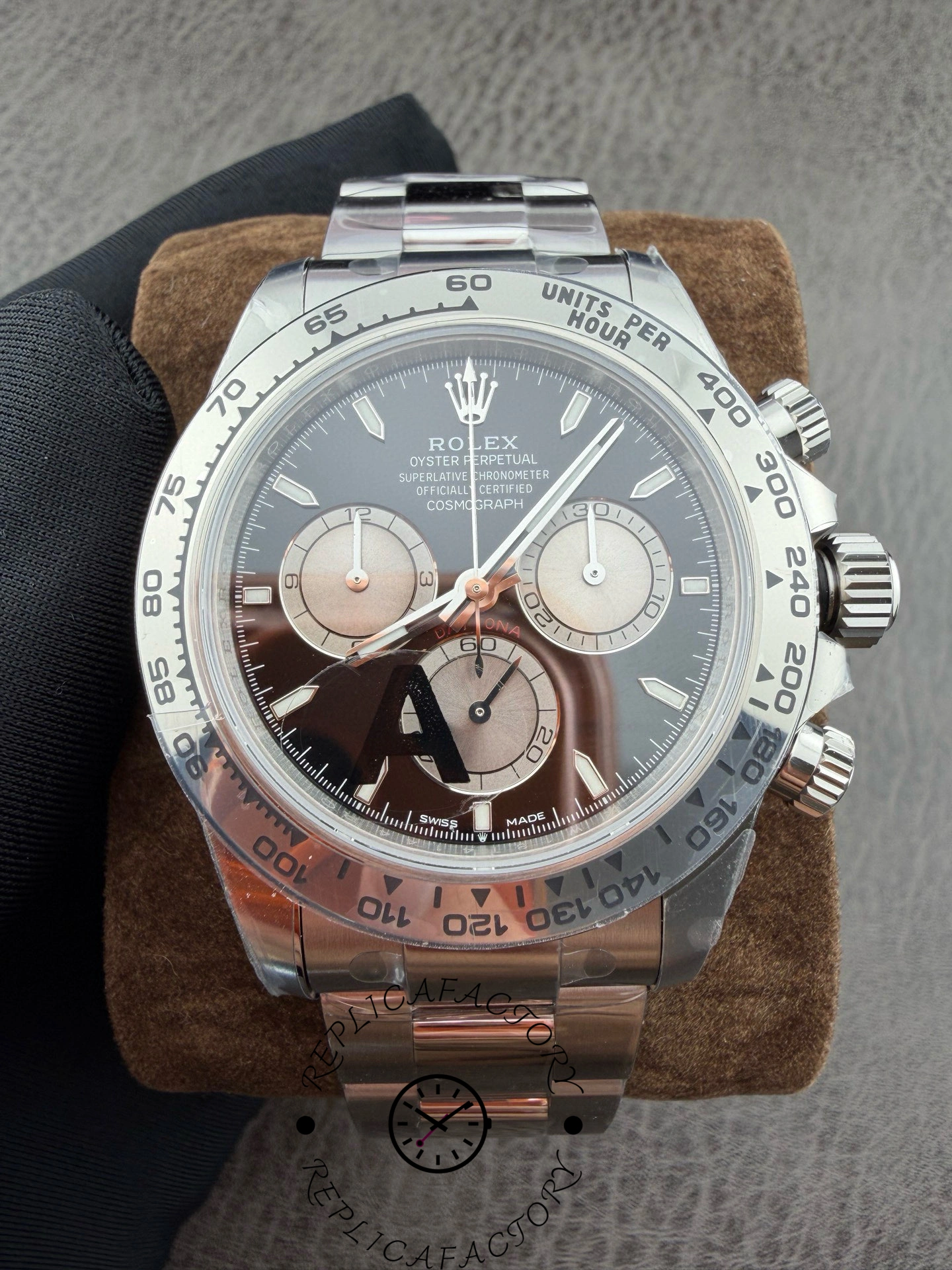
The Daytona dial is unforgiving. Sub-dial spacing, concentric texture, and marker alignment all sit in plain view. On weaker builds, problems usually appear around the minute track or at the 5–7 o’clock indices.
Here, the sub-dials sit evenly, the concentric rings are consistent, and the printing remains clean even under angled light. This is the kind of execution that separates higher-tier Rolex Daytona replicas from visually convincing but short-lived alternatives.
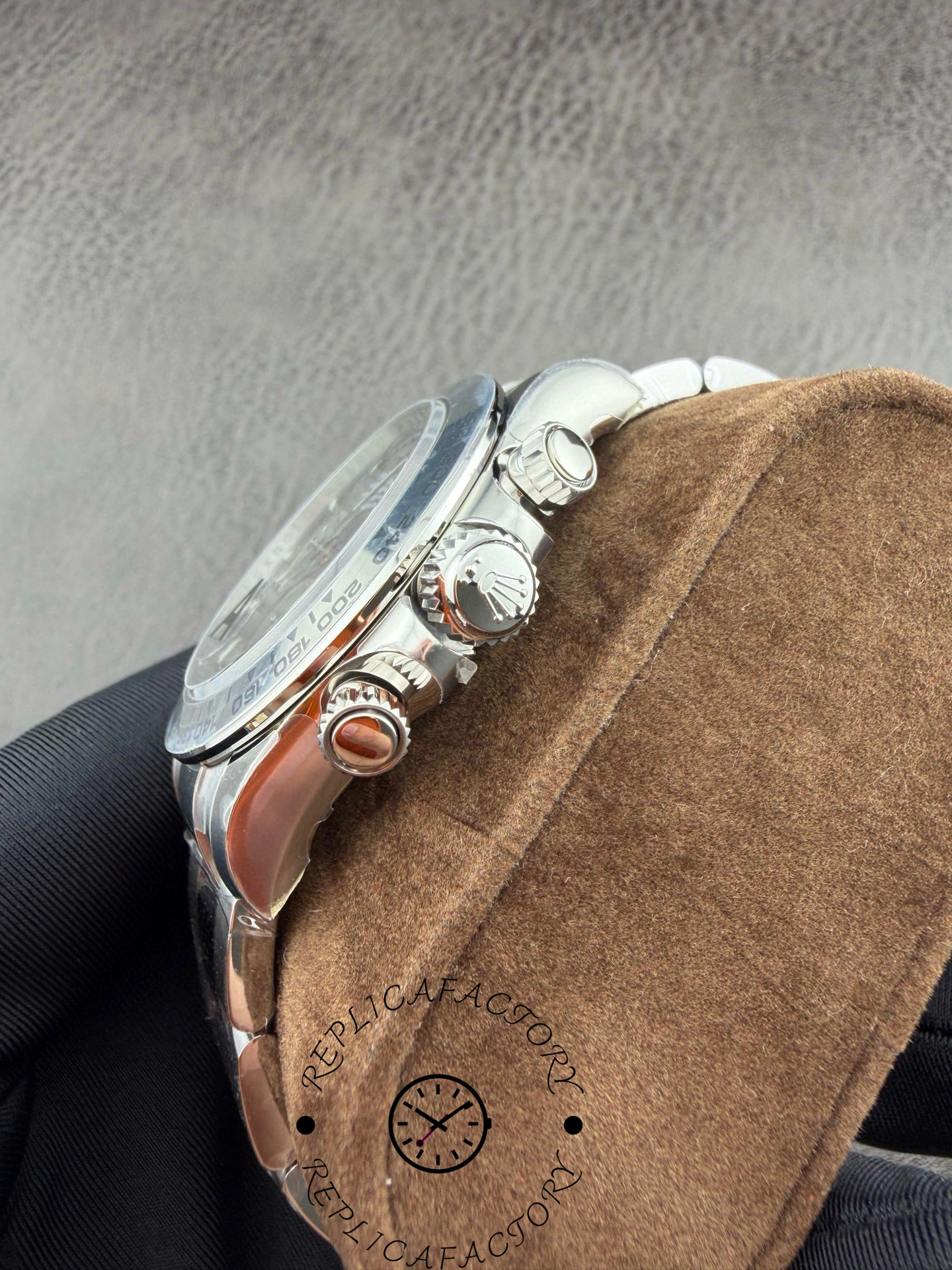
Case shape matters more than polish. Lug curvature, mid-case thickness, and the relationship between the pushers and the case body are where shortcuts usually show.
On this VS build, the pushers sit evenly with consistent spacing, and the case profile flows without abrupt transitions. These are small details, but they directly affect comfort and long-term wear.
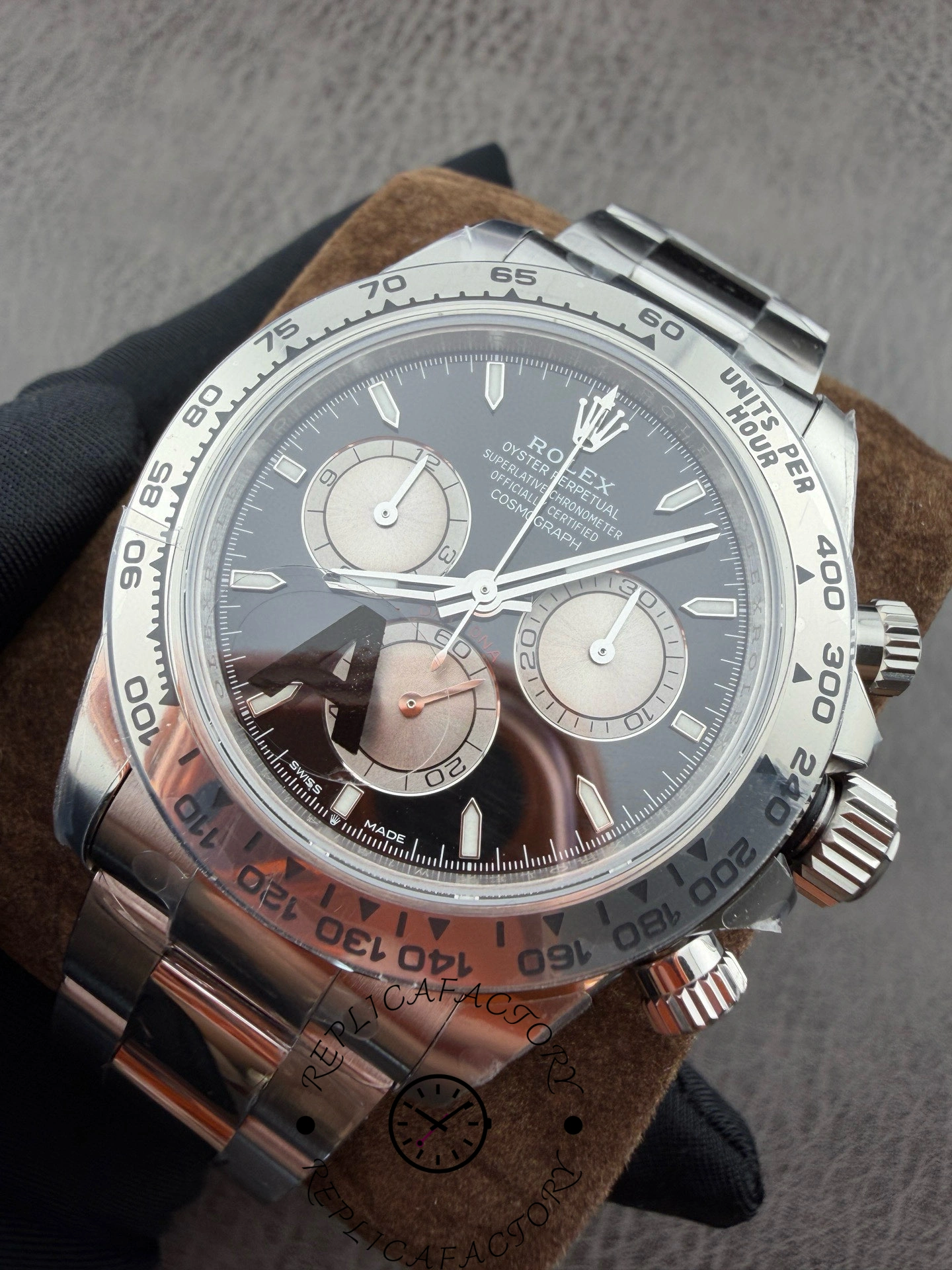
Viewing the dial through the crystal at an angle is one of the fastest quality checks. Excessive distortion or overly aggressive reflections often signal compromises.
The sapphire here maintains clarity across viewing angles, while the bezel printing remains crisp and evenly spaced—details that tend to be inconsistent on lower-tier cases.
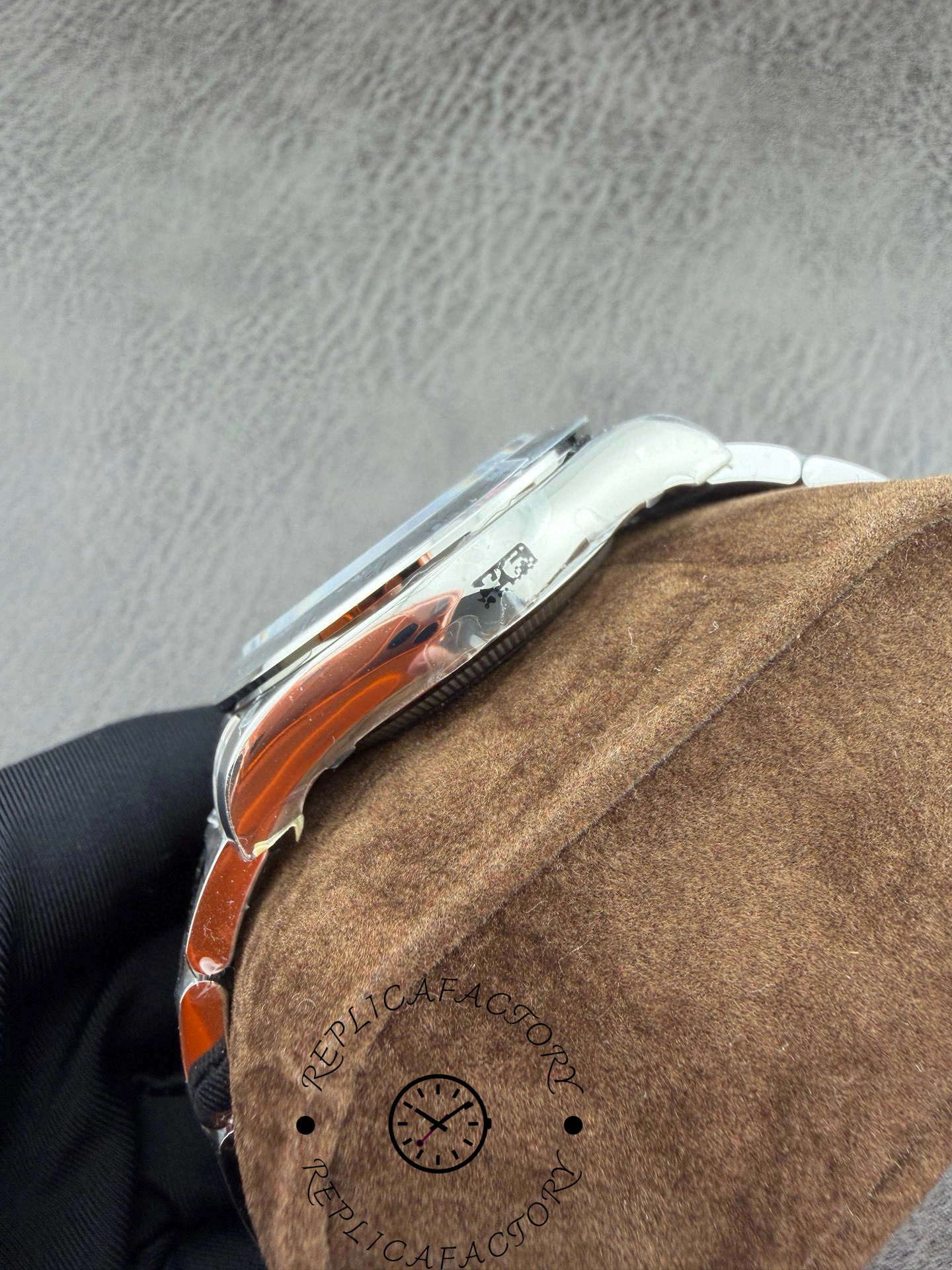
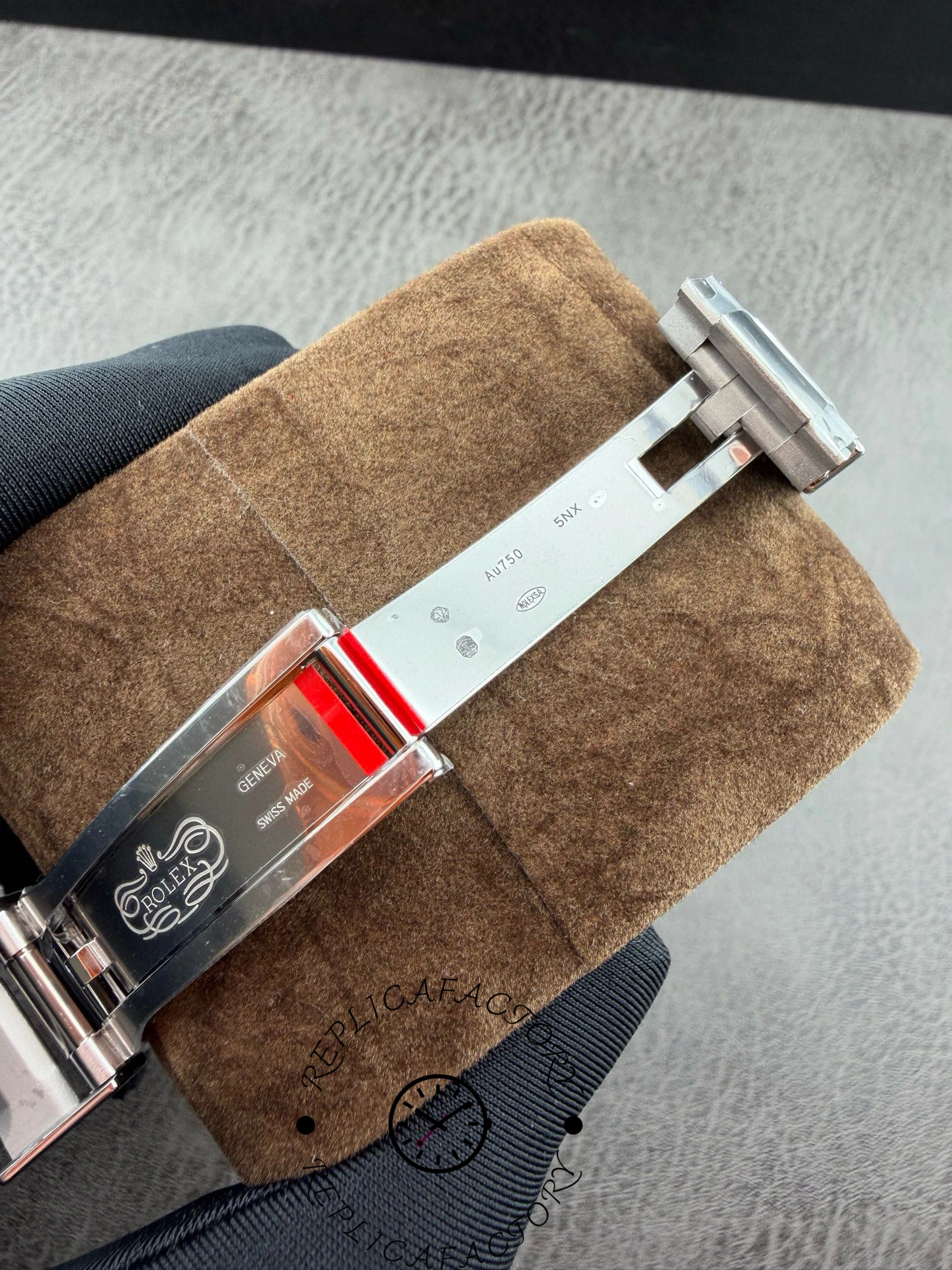
The bracelet is where comfort lives or dies. Sharp edges, poor articulation, or sloppy clasp finishing quickly ruin the experience.
This example shows even brushing, clean interior engraving, and a clasp that closes with a controlled, confident feel rather than a hollow snap.
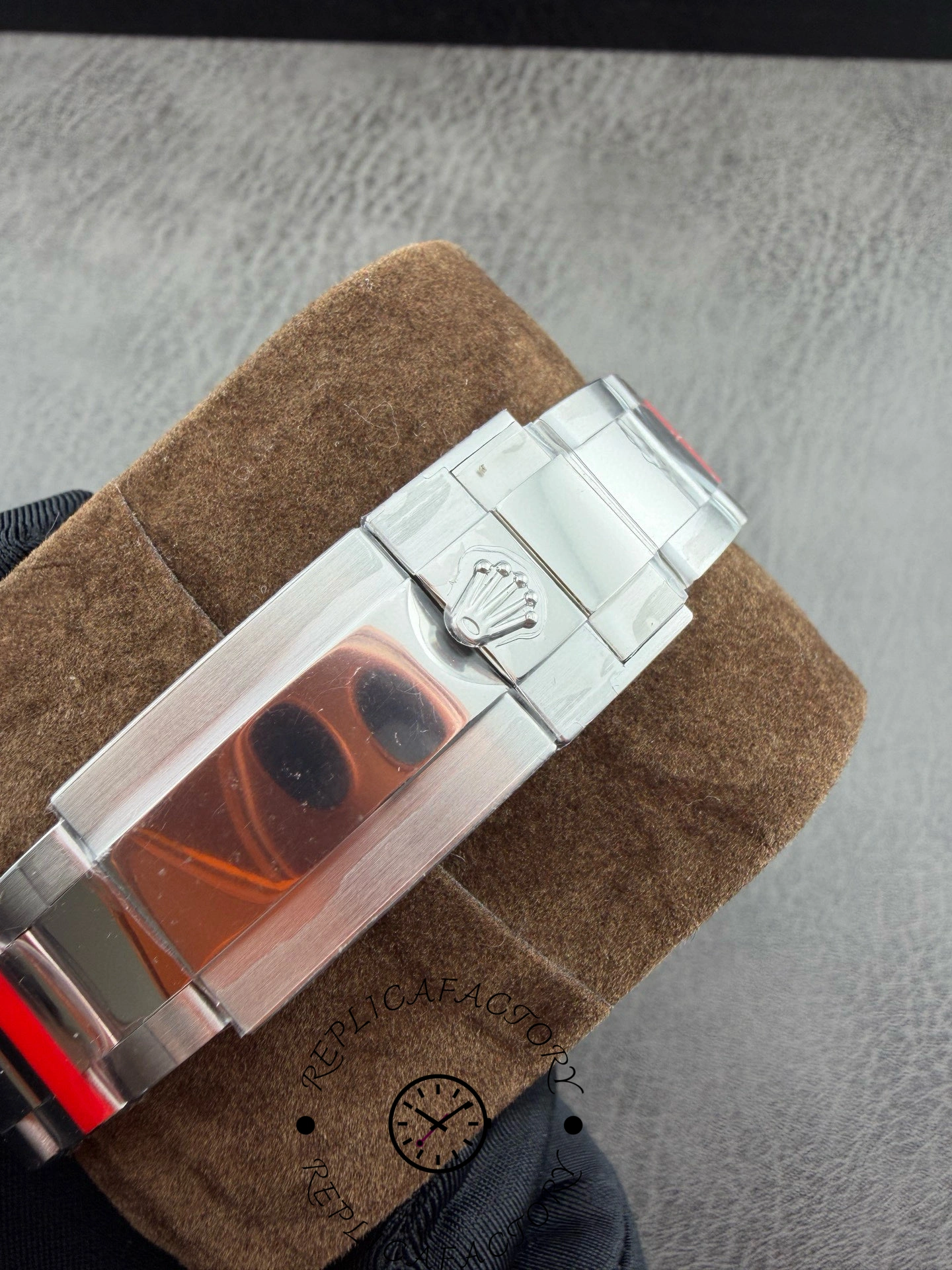
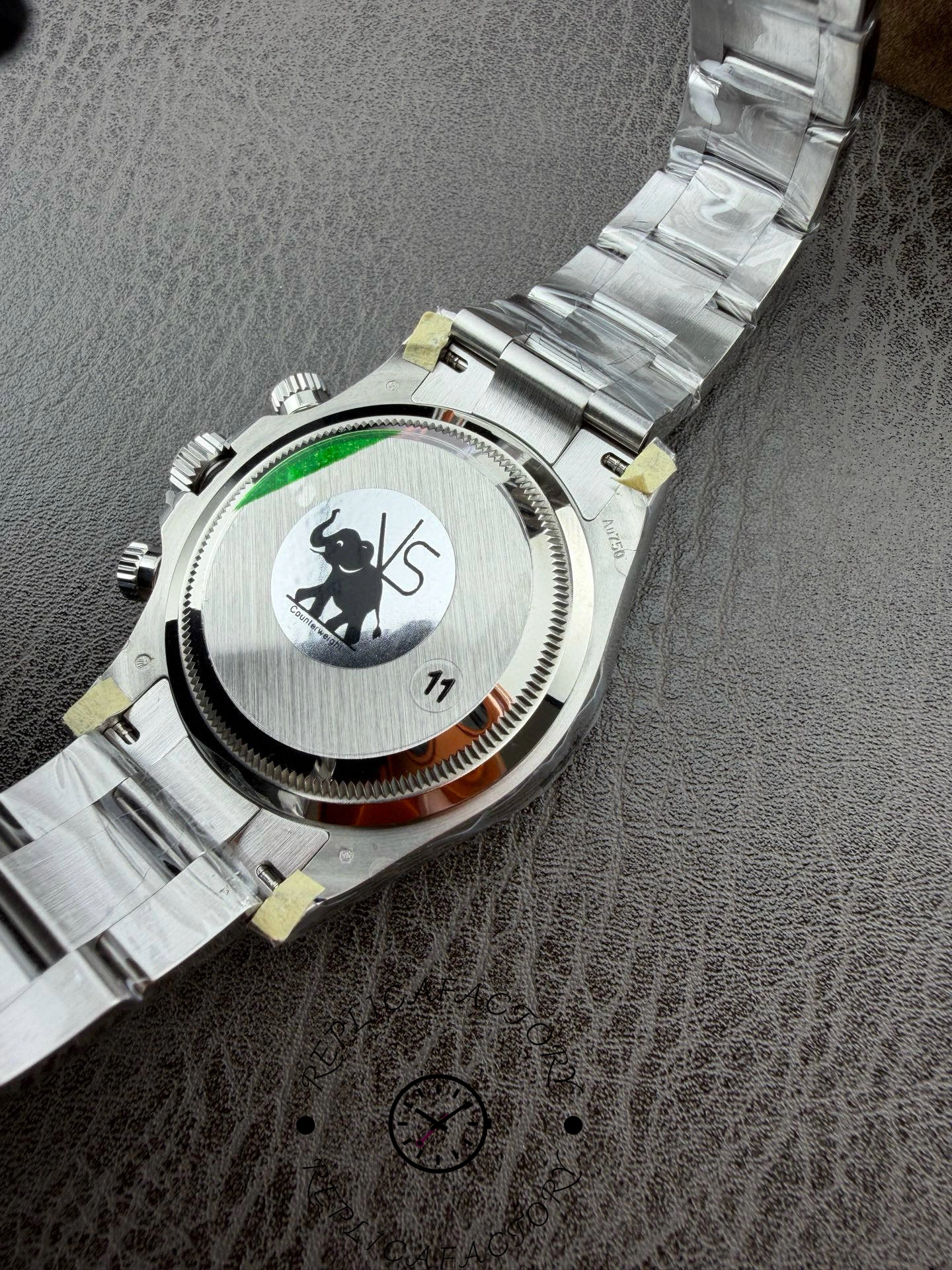
Caseback finishing rarely sells a watch, but it often confirms whether attention was paid throughout the build. Clean brushing, tight tolerances, and solid end-link fit are all reassuring signs.